The Importer's Guide to Customs Exams: X-Rays, CETs, and How to Mitigate the Delay
Navigate US Customs holds with confidence. Learn the difference between VACIS X-rays and Intensive CET exams, plus tips to reduce delays and costs.
ByJason Kim · Branch Manager · 15 years in freight forwarding · Los Angeles · Frankfurt · Chicago
If you import into the United States long enough, eventually you will get the email from your freight forwarder: "Your container is on a Customs Hold." As a logistics Branch Manager, I’ve had to deliver this news to hundreds of clients over the years. The immediate questions are always the same: Why me? How long will it take? And who is paying for this?
Customs and Border Protection (CBP) has broad authority to inspect any cargo entering the country. While you cannot completely eliminate the risk of an exam, understanding the process and knowing how to react can save your supply chain from weeks of delays and thousands of dollars in hidden fees.
Here is what you need to know about the exam process and how to protect your margins.
1. The Two Main Types of Exams
Not all exams are created equal. When your freight gets flagged, it will typically undergo one of two primary inspections:
- The NII / VACIS Exam (The X-Ray): Non-Intrusive Inspection (NII) or Vehicle and Cargo Inspection System (VACIS) is the best-case scenario for a hold. The container is simply driven through a massive X-ray machine.
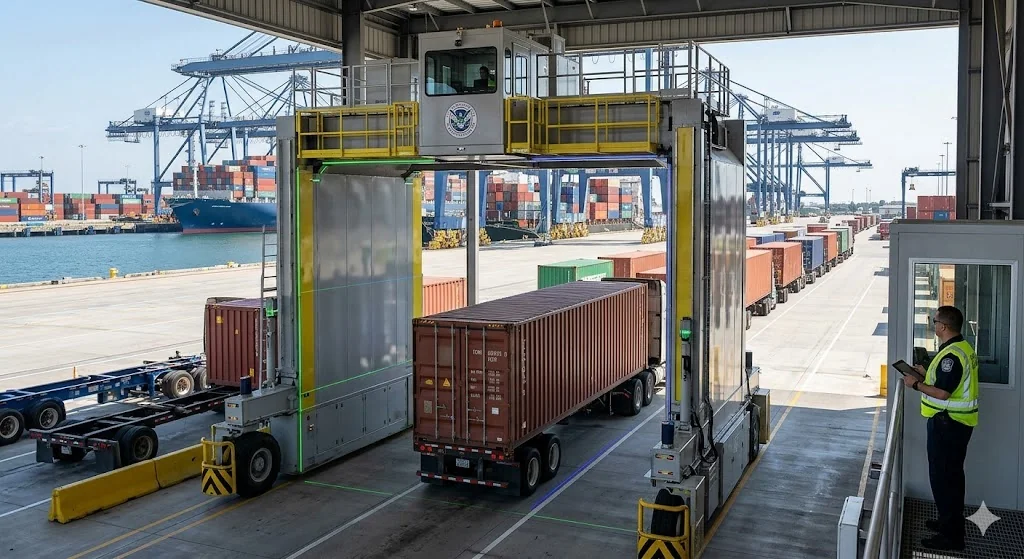
- Delay: Usually 1 to 3 days.
- Cost: Typically around $150 to $350.
- The Intensive Exam (CET/MET): This is the one you want to avoid. If the X-ray shows an anomaly, or if the Contraband Enforcement Team (CET) targets your shipment, it moves to a Centralized Examination Station (CES). The container is opened, and the cargo is physically unloaded and inspected.
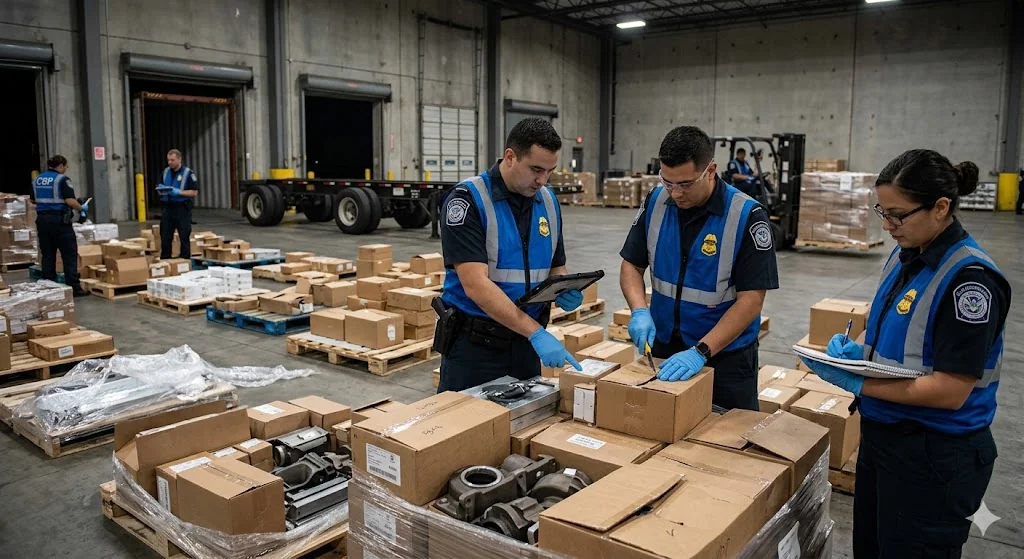
- Delay: Anywhere from 1 to 4 weeks, depending on port congestion.
- Cost: Easily $1,000 to $2,500+ (which includes the exam fee, the drayage to the CES, and the labor to unload/reload your freight).
2. What Triggers a Customs Exam?
While a certain percentage of exams are purely random, CBP uses a sophisticated algorithm to target high-risk shipments. The most common triggers include:
- First-Time Importers: If you do not have an established history with CBP, your first few shipments are highly likely to be flagged.
- Vague Commodity Descriptions: If your manifest simply says "Parts" or "Plastic Goods," CBP will flag it. You must be specific (e.g., "Steel Bicycle Pedals" or "Injection Molded Plastic Toys").
- Problematic Origin Countries: Freight originating from specific regions known for contraband, counterfeit goods, or agricultural pests carries a higher risk profile.
- Late ISF Filings: Failing to file your Importer Security Filing (ISF) 24 hours before the vessel departs origin is an immediate red flag.
3. How to Mitigate the Pain
By the time the hold is placed, you cannot reverse it. However, you can control the fallout:
Get the Paperwork Perfect
CBP agents do not have time to guess what is in your container. Ensure your Commercial Invoice, Packing List, and HS Codes are 100% accurate and clearly translated. If an Intensive exam is triggered, the CES facility will rely heavily on your packing list to safely unload and reload the freight.
Budget for the Unexpected
One of the hardest lessons for new importers is that the importer bears the cost of the exam. CBP does not pay for the drayage to the CES, nor do they pay the facility for the labor. You must build a financial buffer into your landed cost calculations to absorb an occasional $2,000 Intensive exam without wiping out your quarterly profit.
Communicate Instantly
If your container is pulled for an Intensive exam, your forwarder needs to coordinate with the trucker and the CES facility immediately to avoid piling terminal storage fees on top of the exam costs. Proactive tracking is non-negotiable.
Closing Thoughts
Customs exams are an inevitable cost of doing business in global trade. While you cannot bypass the regulatory authority of CBP, maintaining meticulous documentation and partnering with a forwarder who acts aggressively on holds will keep your supply chain moving.