The Forwarder’s Guide to European vs. American Logistics: 5 Lessons from Frankfurt to Chicago
Master transatlantic shipping. Explore 5 key lessons on US vs. European logistics, comparing Frankfurt's rail network to Chicago's inland trucking.
ByJason Kim · Branch Manager · 15 years in freight forwarding · Los Angeles · Frankfurt · Chicago
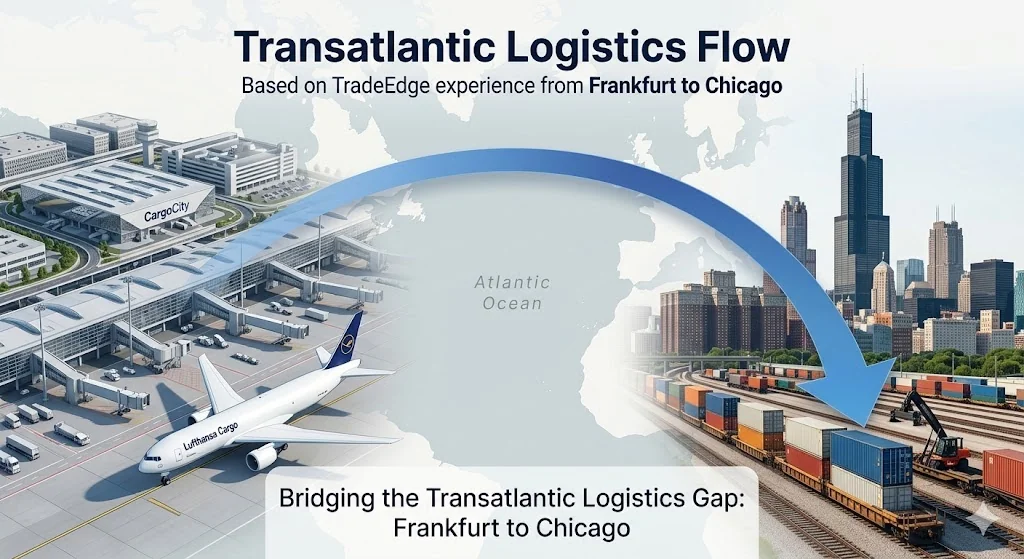
Having spent 6.5 years navigating the complexities of the European market out of Frankfurt and now managing a branch in the Chicago suburbs , I’ve seen firsthand that "logistics" is a completely different language on either side of the Atlantic.
For importers and exporters, assuming that a process in Germany will work the same way in Illinois is a recipe for detention fees and missed deadlines. To help you navigate these waters, here are the five biggest gaps you need to bridge.
1. Infrastructure: The "Inland Beast" vs. European Rail
In Europe, the proximity of major ports like Hamburg or Rotterdam to industrial centers means rail and short-sea shipping are highly efficient. In the U.S., particularly when routing shipments through Midwest hubs, you are dealing with a massive "Inland Beast."
- The Lesson: In the US, the "last mile" is often 500 miles. You must account for chassis shortages and rail ramp congestion which are far more volatile here than the structured trucking windows in the EU.
2. Regulatory Rigor: Compliance Culture
Europe’s logistics landscape is heavily governed by strict labor laws and environmental ESG standards. However, the US focuses intensely on security and classification.
- The Lesson: While EU forwarders prioritize "Green Logistics," US-bound shipments live or die by HS Code accuracy and ISF filings. One digit wrong on your tariff classification in the US can trigger a customs audit that halts your entire supply chain.
3. Equipment & Trucking: The Chassis Problem
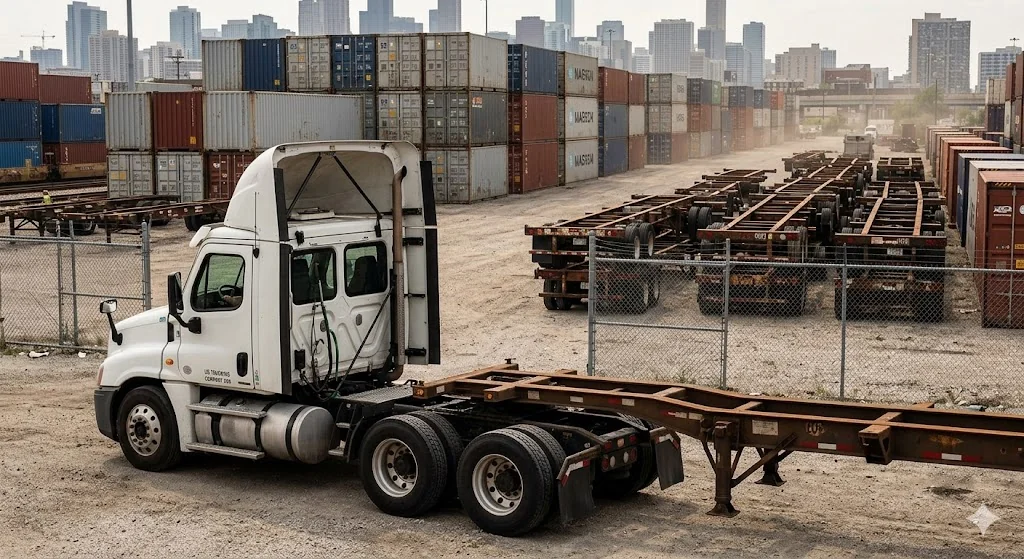
One of the biggest shocks for European logistics pros moving to the US is the Chassis Pool. In Europe, trucks often come as a complete unit. In the US, the power unit (the truck) and the chassis (the wheels for the container) are often managed separately.
- The Lesson: Always ask your US provider if "Chassis Splits" are included in your quote. If a trucker has to go to a separate terminal to find wheels, it’s a fee you won’t see coming if you’re used to the Frankfurt model.
4. Cultural Communication: Directness vs. Documentation
In my time in Frankfurt, documentation was the "Golden Rule." If it wasn't on the bill of lading, it didn't exist. In the US, logistics is heavily relationship-based.
- The Lesson: Success in the US requires constant proactive communication. Don't wait for the automated "Container Discharged" alert; you need a partner who is calling the terminal to verify.
5. Labor and Hours of Service (HOS)
European drivers face extremely strict, tachograph-monitored rest periods. US drivers have more flexibility but are currently navigating the Electronic Logging Device (ELD) era, which has significantly tightened capacity.
| Feature | European (Frankfurt) | American (Chicago) |
|---|---|---|
| Primary Inland Mode | Rail / Short-Sea / Truck | Long-haul Truck / Intermodal Rail |
| Main Constraint | Driver Labor Laws | Equipment (Chassis) Availability |
| Customs Focus | VAT & Economic Zones | Security (ISF) & Tariffs |
Closing Thoughts
Whether you are moving cargo from Germany or landing it in Lincolnshire, understanding these nuances is what separates a profitable shipment from a logistical nightmare.
Are you struggling with a transatlantic move? Drop a comment below or reach out for a consultation on how to streamline your flow.