The 2026 Project Cargo Playbook: How to Manage Heavy Industrial Moves Without Leaking Margins?
Managing heavy industrial freight in 2026. A 15-year logistics veteran shares the project cargo playbook for securing capacity and avoiding heavy-haul
ByJason Kim · Branch Manager · 15 years in freight forwarding · Los Angeles · Frankfurt · Chicago
If you want to test the true competence of a logistics provider, take them off the standard container route and ask them to move an 80,000-pound piece of out-of-gauge industrial machinery across the Pacific.
In standard FCL (Full Container Load) freight, a mistake might cost you a $300 chassis split fee or a few days of demurrage. In project cargo, a miscalculation in the center of gravity or a missed heavy-haul permit can result in six-figure crane detention bills, dropped cargo, and construction delays that trigger massive liquidated damages.
Right now, the US Gulf—specifically Texas—is seeing a massive boom in industrial manufacturing and infrastructure development. I recently navigated the operational framework for a massive rollout moving over 280 industrial chiller units from South Korea into the Texas market, with shipments scheduled continuously from August 2026 through June 2027.
If you are managing heavy industrial moves, here is the practitioner’s playbook for keeping your cargo safe and your margins intact.
1. The Specification Trap: Trust, but Verify
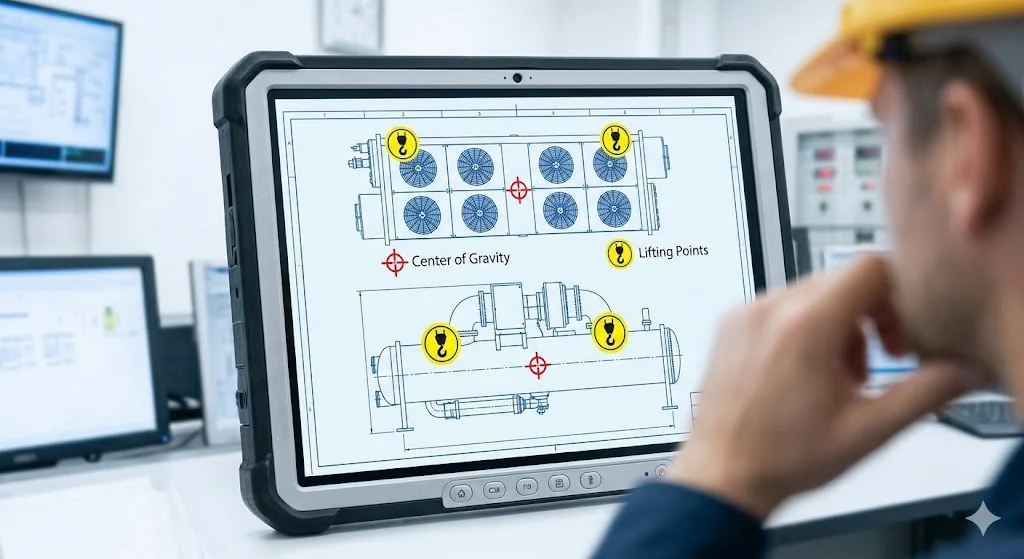
The single biggest reason project cargo goes wrong is bad data. When you are booking a Flat Rack or Breakbulk vessel, the carrier is planning vessel stowage based on the exact specifications you provide.
Never blindly trust the commercial invoice. You must separate your compliance data from your engineering data. The Material Safety Data Sheets (MSDS) will cover the hazardous refrigerants, but you need the formal Technical Drawings and engineered Lifting Plans to verify the lifting points and the precise center of gravity. Furthermore, if your manufacturer in South Korea lists the chiller unit as 110 inches wide, but they added 4 inches of protective crating that wasn't on the spec sheet, that cargo will be rejected at the terminal gate for exceeding the booked footprint. Always book based on the crated, transport-ready dimensions, not the bare product specs.
2. Securing Long-Term Capacity in a Volatile Market
When you are managing a project that spans across multiple quarters, you cannot rely on the spot market. Spot rates for specialized equipment like Open Tops or Flat Racks are incredibly volatile, and the equipment itself is often completely unavailable at origin ports during peak season.
You need to negotiate a fixed-validity contract with the carrier specifically for the project volume. Provide them with a strict monthly shipping schedule. Carriers love predictable, forecasted volume. By guaranteeing them a steady flow of units every month, you can often secure priority equipment release and avoid the "Net/Net" rate spikes that plague spot buyers.
3. The Texas "Last Mile" Bottleneck
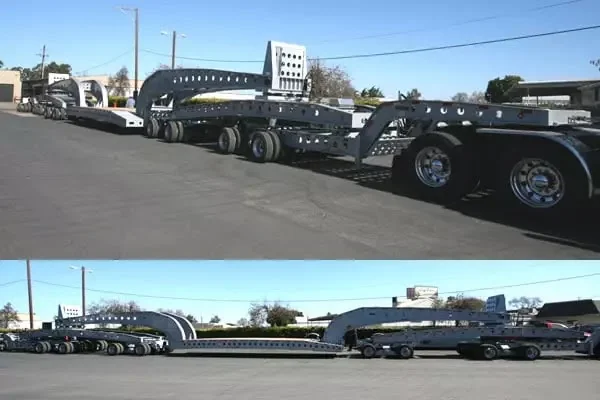
Getting your heavy equipment across the ocean is only half the battle; the "last mile" is where margins bleed out. The infrastructure around Gulf Coast ports is handling unprecedented volume in 2026.
Moving a massive industrial chiller from the Port of Houston to a construction site in inland Texas isn't just a matter of hiring a standard truck. It requires:
- Specialized Axle Configurations: To legally distribute the 80,000+ pounds across state highways (often requiring 9-axle or 13-axle setups).
- State and County Permits: The Texas Department of Transportation (TxDOT) requires specific oversize/overweight (OS/OW) routing permits, which can take weeks to secure for super-heavy loads.
- Civilian Escorts and Route Surveys: For extreme out-of-gauge moves, you must pay for pilot cars and sometimes physically survey the route to ensure bridge weight limits and power line clearances aren't an issue.
If your forwarder doesn't have the heavy-haul trucker lined up and permitted before the vessel docks, your cargo will sit at the port racking up thousands of dollars a day in specialized storage fees.
The TradeEdge Takeaway: Project cargo does not forgive reactive management. You must engineer the entire move from the destination backward. Secure your TxDOT heavy-haul permits and route surveys before the cargo ever leaves Asia, and treat your technical drawings as binding legal documents.