Importing from Asia to the USA: Ocean vs. Air Freight Guide for New Importers
Ocean vs. air freight guide for U.S. importers buying from Asia, with practical tips on documents, timing, customs, and delivery.
ByJason Kim · Branch Manager · 15 years in freight forwarding · Los Angeles · Frankfurt · Chicago
Many U.S. importers source products from Asia, but not every importer understands what happens between the supplier’s factory and the final delivery in the United States.
When I worked with shipments connected to Korea, Vietnam, China, and the United States, I saw the same problem many times. Importers often focused on product price and transit time, but they did not always understand the freight process, document requirements, customs timing, port availability, or delivery coordination.
That gap can create delays, extra charges, and confusion after the shipment has already departed.
This guide explains the practical difference between ocean freight and air freight when importing from Asia to the United States. It is written for importers who want to understand the process before they place a purchase order, not after the cargo is already moving.
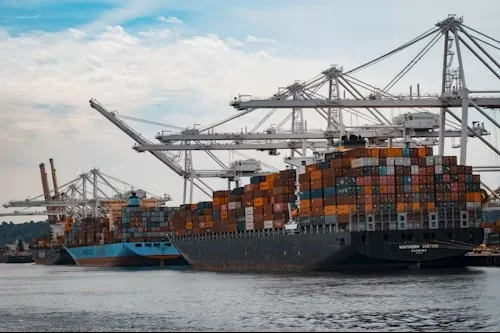
Why Importing from Asia Requires Planning
Importing from Asia is not only about choosing the cheapest freight rate. The shipment has to move through several steps before it reaches your warehouse.
A typical import shipment may involve:
- supplier production and cargo readiness
- export packing and labeling
- pickup from the factory or warehouse
- export customs and origin handling
- ocean or air transportation
- arrival at a U.S. port or airport
- customs clearance
- freight release
- delivery order handling
- trucking or final delivery
- warehouse receiving
If one step is not ready, the entire shipment can slow down.
Many importers ask only one question at the beginning: “How fast can I receive the cargo?” A better question is: “What has to be ready before the cargo can move without problems?”
Ocean Freight vs. Air Freight: The Basic Difference
Ocean freight and air freight serve different purposes.
Ocean freight is usually the better option for larger, heavier, or lower-margin cargo. It is slower, but the cost per unit is usually much lower than air freight.
Air freight is usually the better option for urgent, high-value, lightweight, or time-sensitive cargo. It is faster, but the cost can be much higher.
The right choice depends on the cargo, deadline, value, volume, and risk.
| Question | Ocean Freight | Air Freight |
|---|---|---|
| Best for | Large, heavy, regular shipments | Urgent, small, high-value shipments |
| Main advantage | Lower cost per unit | Faster transit |
| Main risk | Longer transit and port delays | High freight cost and document urgency |
| Common mistake | Booking too late or ignoring port timing | Using air freight without checking chargeable weight |
| Importer focus | Planning, free time, customs, delivery schedule | Documentation, cargo readiness, weight/volume, deadline |
When Ocean Freight Usually Makes Sense
Ocean freight is the standard choice for many imports from Asia because it can move large quantities at a lower cost per unit.
It usually makes sense when:
- the shipment is large or heavy
- the product margin cannot support air freight
- the importer can plan several weeks ahead
- the cargo is not extremely time-sensitive
- inventory can be managed around a longer transit time
- the shipment can move by FCL or LCL
For many importers, the biggest advantage of ocean freight is cost. The biggest disadvantage is time.
Ocean freight also has more moving parts after arrival. The container may need customs clearance, freight release, terminal availability, truck appointment, warehouse receiving, unloading, and empty container return. If these steps are not prepared early, the importer may face demurrage, detention, storage, or delivery delays.
FCL vs. LCL: Two Common Ocean Freight Options
When importing by ocean, one of the first decisions is whether to ship by FCL or LCL.
FCL means Full Container Load. Your cargo moves in a full container booked for your shipment.
LCL means Less than Container Load. Your cargo shares container space with cargo from other shippers.
| Item | FCL | LCL |
|---|---|---|
| Container use | Full container for one shipment | Shared container with other shipments |
| Best for | Larger shipments | Smaller shipments |
| Handling | Usually fewer handling points | More handling through consolidation and deconsolidation |
| Cost structure | Usually charged per container | Usually charged by volume or weight |
| Common risk | Demurrage or detention if container timing is not managed | Delay at CFS or deconsolidation warehouse |
LCL can be useful for smaller importers, but it is not always simple. Because the cargo is consolidated with other shipments, it may involve extra handling, extra warehouse charges, and additional time at origin or destination.
FCL can be more efficient when the shipment volume is large enough, but the importer must manage container pickup, delivery, unloading, and empty return properly.
When Air Freight Usually Makes Sense
Air freight should not be used only because the importer is in a hurry. It should be used when the business reason justifies the cost.
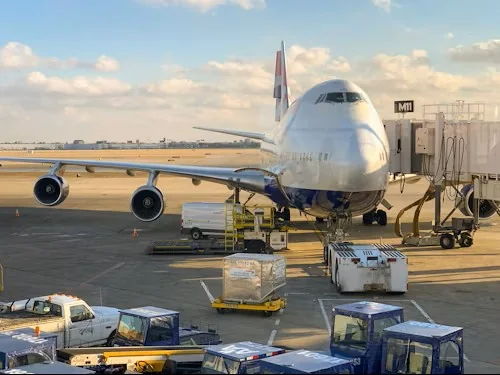
Air freight usually makes sense when:
- the cargo is urgent
- the cargo is high value compared with its weight
- the shipment is small enough that the total air cost is acceptable
- a production line, sales order, or customer deadline depends on the cargo
- the cost of being late is higher than the air freight cost
- the shipment is a sample, trial order, or replacement part
Air freight can solve timing problems, but it does not solve document problems.
If the commercial invoice is wrong, the packing list is unclear, the consignee information is incorrect, or required documents are missing, air freight can still be delayed after arrival. The airplane may arrive quickly, but customs clearance still depends on correct information.
Chargeable Weight: The Air Freight Detail Importers Must Understand
One common air freight surprise is chargeable weight.
Air freight is not always billed only by actual weight. It is usually billed by the greater of actual weight or volumetric weight.
This matters because a light but bulky shipment can cost more than the importer expects.
For example, a shipment may physically weigh 200 kg, but if the cartons take up a large amount of space, the chargeable weight may be much higher. The airline and forwarder are charging for space on the aircraft, not only physical weight.
Before choosing air freight, importers should ask their supplier for:
- number of cartons or pallets
- gross weight
- carton or pallet dimensions
- total cubic meter measurement
- ready date
- pickup location
Without this information, an air freight quote may not be accurate.
Common Trade Lanes from Asia to the United States
Many U.S. imports from Asia move through major ocean and air gateways.
For ocean freight, common Asian origins include China, Vietnam, South Korea, Taiwan, India, and other manufacturing countries in the region. Common U.S. arrival gateways include Los Angeles/Long Beach, Seattle/Tacoma, New York/New Jersey, Savannah, Houston, and inland rail points depending on the final destination.
For air freight, cargo often moves through major airports such as Incheon, Shanghai, Hong Kong, Taipei, Narita, Singapore, and other Asian air cargo hubs. In the United States, common gateways include Los Angeles, Chicago O’Hare, New York JFK, Dallas/Fort Worth, Atlanta, and other major airports depending on carrier routing and final delivery location.
From my own experience, LAX, FRA, and ORD have been especially important airports, and Los Angeles/Long Beach has been one of the most important ocean gateways for Asian cargo entering the United States.
Transit Time Is Not the Same as Door-to-Door Delivery
Importers often ask for transit time, but the number they receive may only describe one part of the shipment.
For ocean freight, a carrier transit time may mean port-to-port movement. It may not include factory pickup, origin handling, export customs, destination customs clearance, terminal availability, truck appointment, delivery, unloading, or empty container return.
For air freight, the flight time may be short, but the shipment still needs pickup, origin handling, airline cut-off, flight departure, arrival handling, customs clearance, cargo release, and final delivery.
This is why an importer should ask for the full process, not only the sailing time or flight time.
Documents Importers Should Prepare Early
Many import delays start with documents.
Before cargo ships from Asia, importers should carefully check:
- commercial invoice
- packing list
- bill of lading or airway bill details
- shipper and consignee information
- notify party information
- product description
- quantity and weight
- country of origin
- HS code information
- Incoterms
- required certificates or permits, if applicable
The commercial invoice and packing list should match the actual cargo. The consignee name should be correct. The product description should be clear enough for customs review. The Incoterms should match the commercial agreement between buyer and seller.
If the document details do not match the real shipment, the problem may not appear until the cargo is already at the port or airport. By then, every correction becomes more urgent.
Common Mistakes Importers Make When Importing from Asia
Many problems are avoidable if the importer prepares earlier.
1. Asking for a freight quote without cargo details
A forwarder cannot quote accurately without cargo information. The importer should provide origin, destination, cargo description, weight, dimensions, ready date, Incoterms, and shipment mode.
2. Choosing the cheapest quote without checking what is included
A low freight quote may not include origin charges, destination charges, customs brokerage, duties, exams, delivery, storage, demurrage, detention, or warehouse fees.
3. Waiting too long to send documents to the customs broker
Customs clearance should not begin after the cargo arrives. The broker should receive documents early enough to review and ask questions before arrival.
4. Not understanding Incoterms
Incoterms affect who controls the shipment, who pays which charges, and where responsibility transfers. Importers should understand the Incoterm before signing the purchase order.
5. Forgetting about final delivery and warehouse receiving
The shipment is not finished when it arrives at the U.S. port or airport. The importer still needs release, pickup, delivery, and receiving coordination.
6. Using air freight without checking chargeable weight
Air freight may look reasonable until volumetric weight is calculated. Always check dimensions before approving an air shipment.
7. Not asking about free time
For ocean containers, free time matters. Importers should know how many days they have before demurrage or detention begins.
Ocean or Air: A Practical Decision Checklist
Before choosing ocean or air freight, ask these questions:
- When is the cargo actually ready?
- When do we truly need the cargo in the United States?
- What is the cargo value?
- What is the cargo weight and volume?
- Is the shipment large enough for FCL?
- Is LCL suitable, or will the extra handling create risk?
- Can the margin support air freight?
- Is the deadline real, or only preferred?
- Are the commercial invoice and packing list complete?
- Has the customs broker reviewed the documents?
- Who is responsible for origin charges under the Incoterms?
- Who is arranging U.S. customs clearance?
- Who is arranging final delivery?
- Is the warehouse ready to receive the cargo?
If the importer cannot answer these questions, the shipment is not ready to move smoothly.
What I Recommend to New Importers
For new importers, I usually recommend starting with the process, not the price.
Before comparing freight quotes, understand:
- what you are buying
- where the supplier is located
- when the cargo will be ready
- which Incoterm applies
- which documents are required
- whether the cargo is better for ocean or air
- who will handle customs clearance
- how the cargo will be delivered after arrival
Once those details are clear, the freight quote becomes easier to understand.
A good forwarder can help with routing, carrier selection, document review, booking, and delivery coordination. But the importer still needs to understand the basic process. Freight problems become harder to fix after the cargo has already departed.
Final Thought
Importing from Asia to the United States can be straightforward when the shipment is planned correctly. It becomes difficult when the importer focuses only on product price, freight rate, or transit time and ignores the steps in between.
Ocean freight is usually the better choice for planned, larger shipments. Air freight is usually the better choice for urgent, high-value, or smaller shipments where speed justifies the cost.
The best choice is not always the fastest or the cheapest. The best choice is the one that matches the cargo, deadline, documents, budget, and delivery plan.
Before the shipment moves, make sure the documents are correct, the Incoterms are understood, the customs broker is prepared, and the delivery plan is realistic. That preparation can prevent many of the problems importers face after cargo arrives.
About the Author
Jason Kim is a Branch Manager with 15 years of experience in international freight forwarding across Los Angeles (LAX, Ports of LA/LB), Frankfurt (FRA, Port of Hamburg, Rotterdam, Antwerp), and Chicago (ORD). He has coordinated thousands of international shipments across ocean and air freight, managed operations through major port disruptions, and worked alongside licensed customs brokers on every major US trade lane. TradeEdge publishes practical logistics and trade compliance guidance for importers and exporters navigating global supply chains.
Related Posts on TradeEdge